“Magical Circuses and Mechanical Oranges. Asa, NIsi, MAsa”
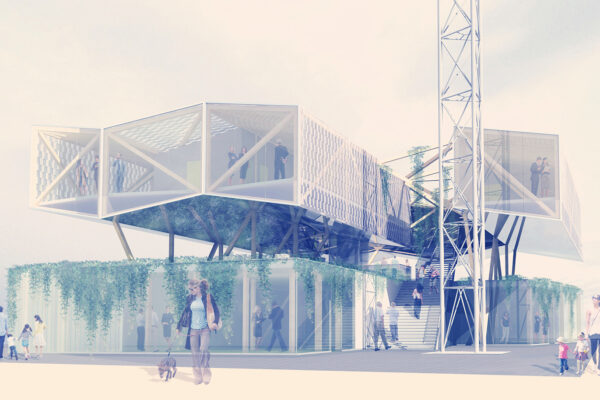
And eyes open to observe this circumstance simultaneously observe, as when they are open in a dream, the possibility of its transformation: the journey from the museum’s starting point, a fixed point in history, towards the future, a moving point and uncertain target, drags behind it that jubilant clamour of shapes and colours, as if the emotions contained therein had the pretension of continuing to live outside, to exhibit themselves in their restrained expressions. In the thought that plans, anticipates and represents the idea that the place welcomes closed spaces focused on the existing and open to what will exist, spaces that preserve creativity and fertilise it, this idea takes possession of the museum’s interiority and transforms it, exhibits it: thus emotion inhabits new containers. Their forms indicate the childlike charm of playing the skilful and dangerous game of the juggler and acrobat who, in their admired exercise, cancel out the limitations of reality and, in the agile, elegant wisdom of the new way of facing it, transform it and expand its boundaries.
“You are a cursed poet like Villon, Baudelaire, Van Gogh and Poe; I call cursed poets all artists who work much more with the unconscious than with intelligence, who sometimes create monsters, but universal monsters.” (George Simenon. Letter to Federico Fellini)
The public space aspires to be a joyful place of collective unconsciousness and dreams. Beauty lies in this desire to connect individual feelings with collective ones, creating citizenship. As in Greek theatre. The language of dreams can be individual, personal and therefore collective. The archetypal and childlike vision is the tool chosen to create a connection, which is ultimately a contact, with the soul of the city, of the community. The Circus and the Public Space (the new functional building A), the Luna Park (nature, the landscape, system B).
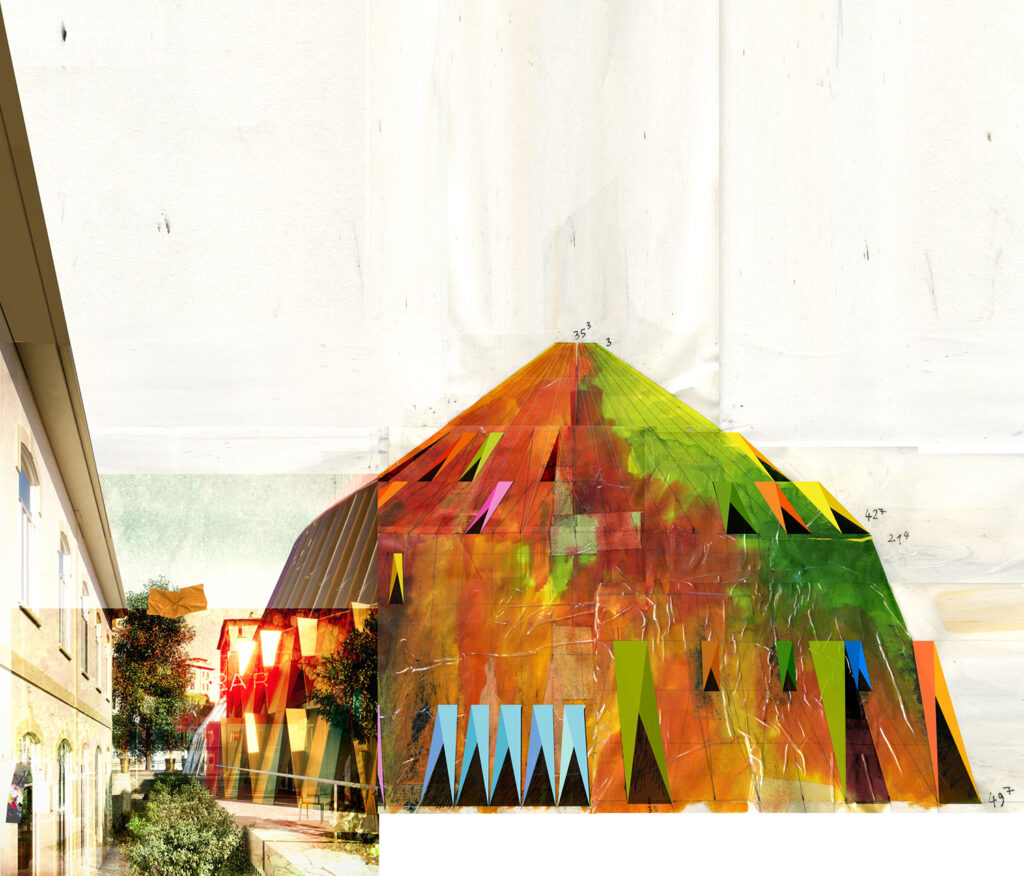
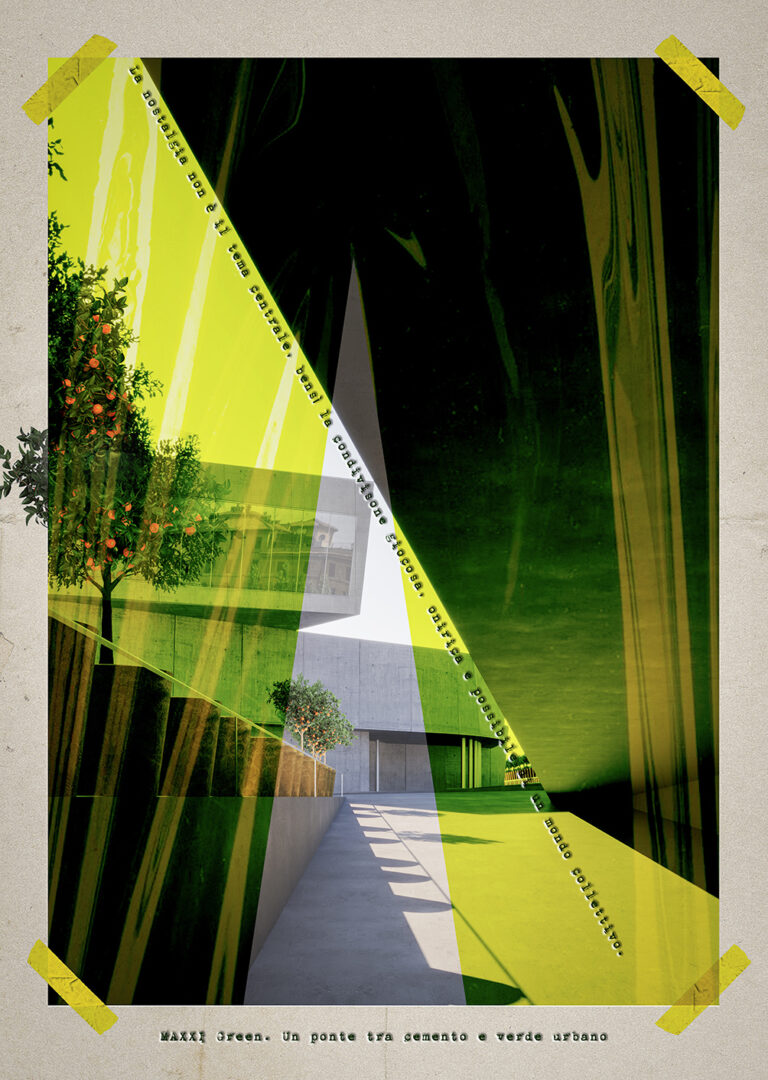
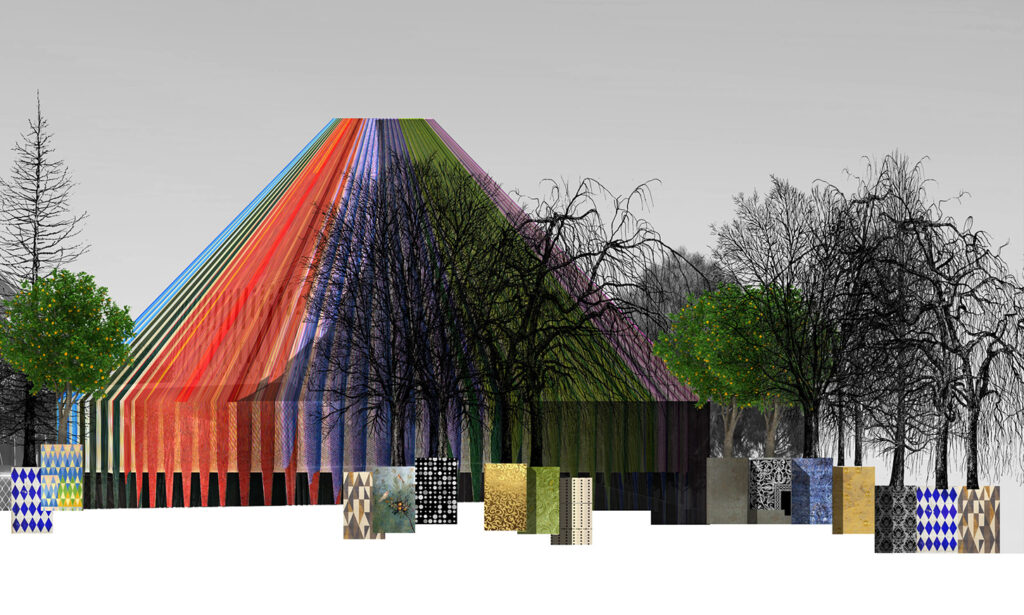
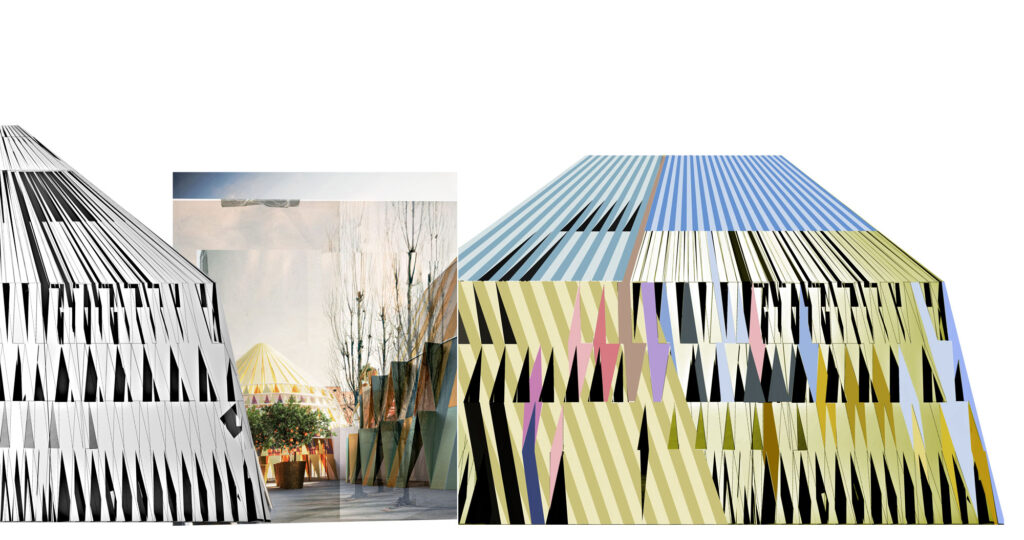
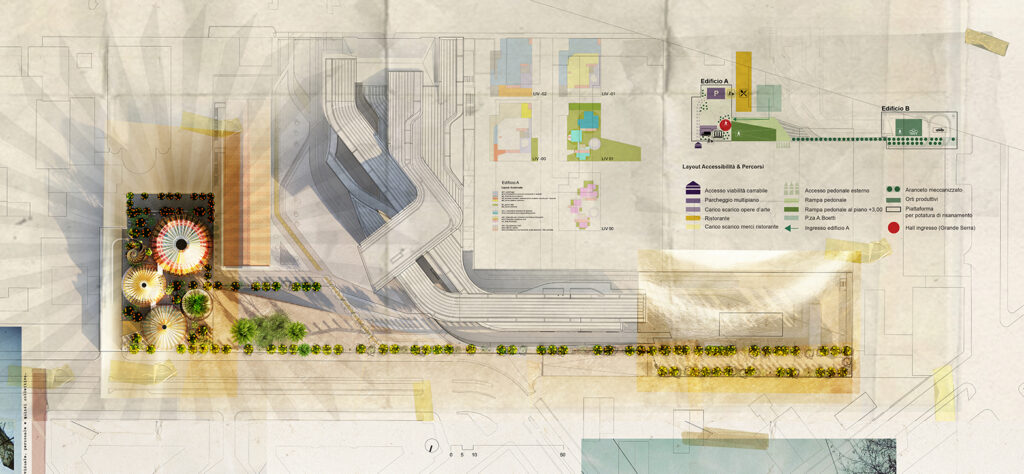
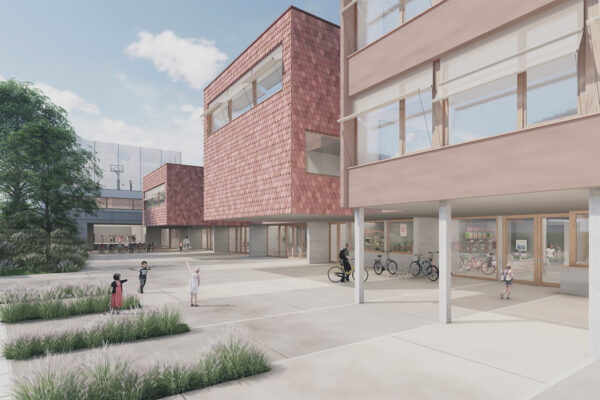
Nostalgia is not the central theme, but rather the playful and dreamlike sharing of a collective world, built around a large fluid public space that connects the city and MAXXI, extending the sloping ground across the entire lot to accommodate the required functions without reducing them to a mere “technical box”, but separating the storage areas accessible to the public from the livelier parts of the workshops and classrooms. The storage areas and car parks extend horizontally across the entire building area, while the laboratories and classrooms are concentrated in three archetypal buildings, three “dreamlike buildings” with a circular plan, true devices of emotion and shared joy, which house the teaching and research spaces on two levels in prefabricated wooden and glass volumes, protected by the technological envelope of glass, sheet metal and ceramic awnings, with the systems and hanging gardens at the top.
In addition to the three functional buildings, there is La Grande Serra, located towards Piazza Boetti, which is the actual entrance to the building. La Grande Serra, which houses a plant microcosm in an imaginary world reminiscent of Salgari and Rousseau, organises entrances and distribution on two levels, from the storage floor to the two floors of interconnected laboratories and classrooms.
‘On the left, there was finally some greenery, reeds and even an orange grove’. (Tomasi di Lampedusa)
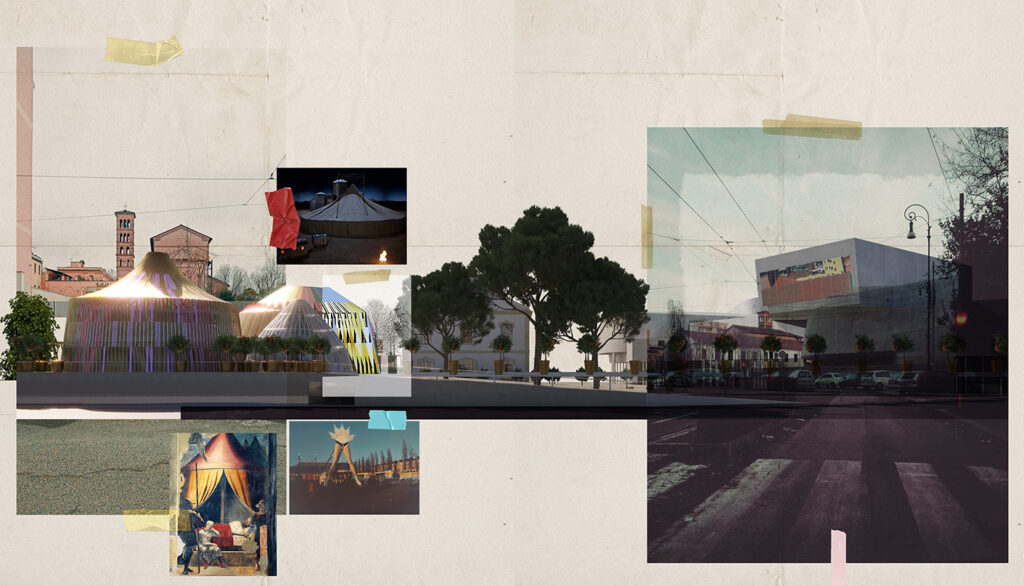
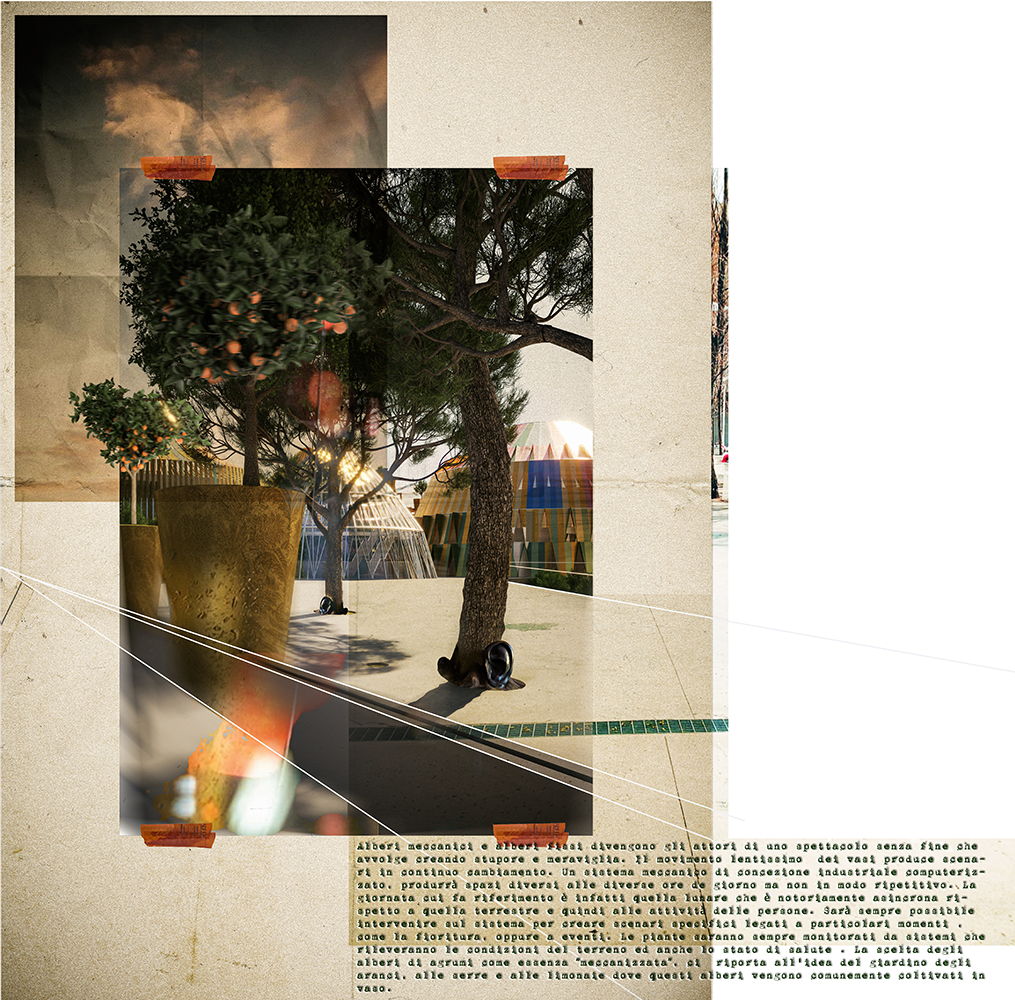
The large public space is the actual site of a mechanised natural orange grove. Like an ecological amusement park, 245 orange trees in large pots slowly move along a track along Via Masaccio, also defining the edge and night-time closure of the area. On the sloping concrete surface, in material continuity with Piazza Boetti and the MAXXI, the existing trees are repositioned and, together with the mobile trees, create an ever-changing spectacle, governed by a computerised mechanical system that, following a “lunar” rhythm, composes ever-changing and monitored scenarios, evoking the imagery of citrus gardens, greenhouses and lemon houses.
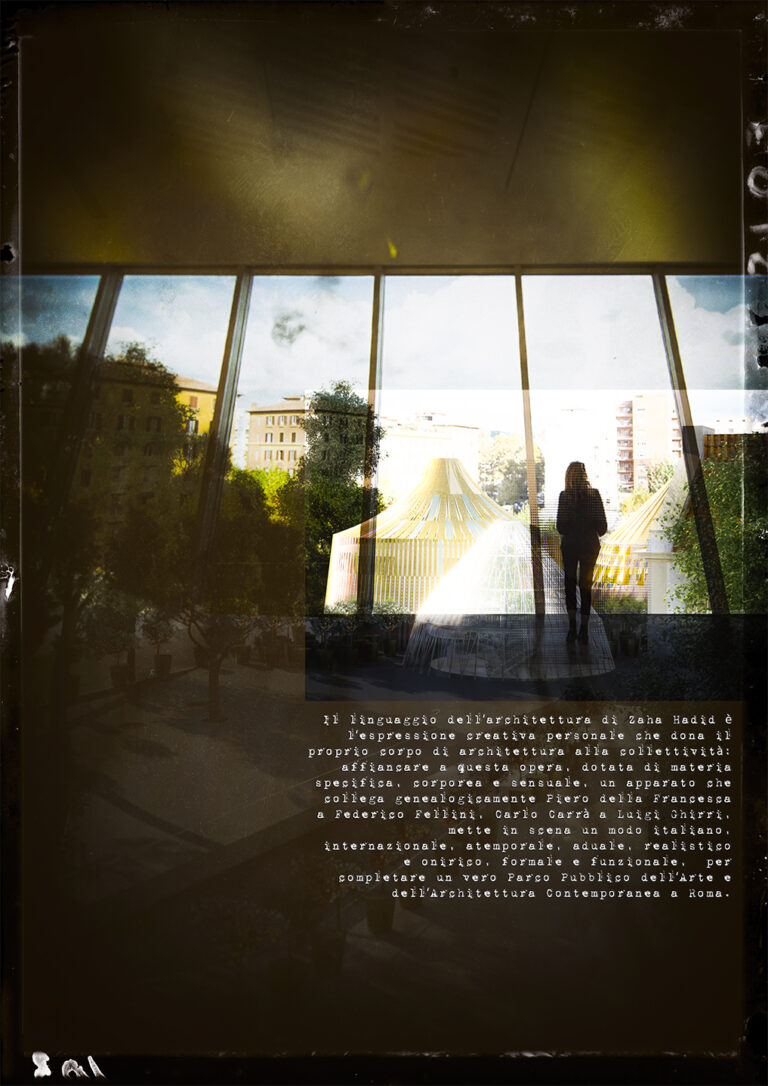
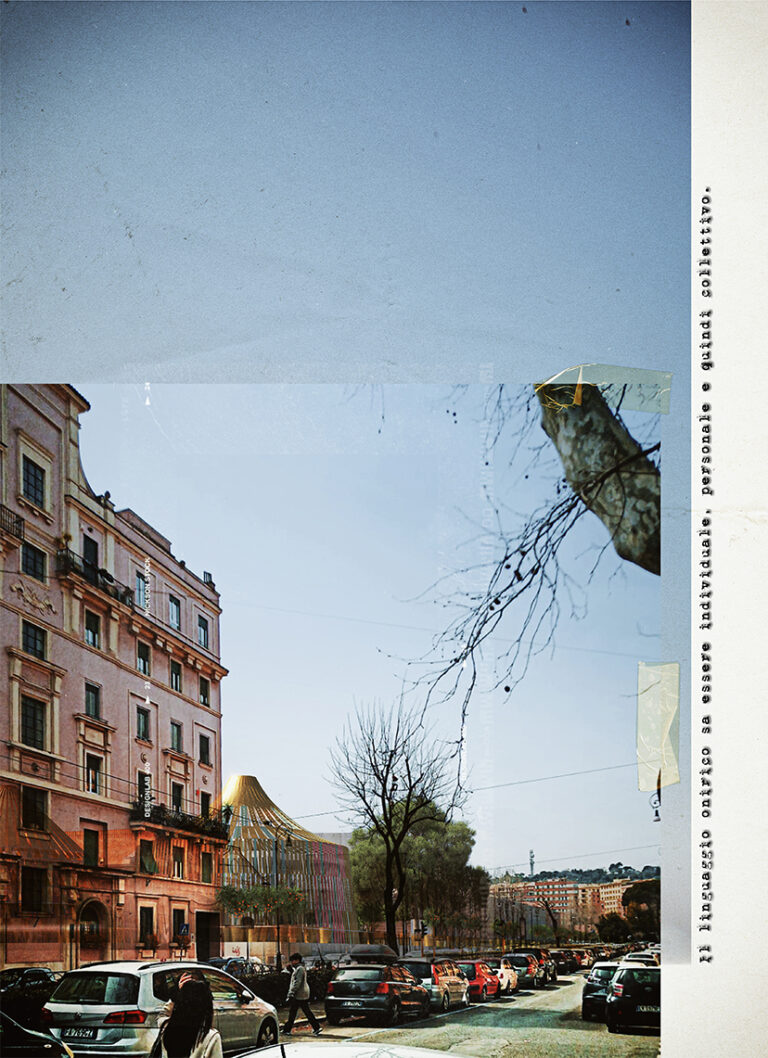
Zaha Hadid’s architectural language is a personal creative expression that gives its architectural body to the community: alongside this work, with its specific, corporeal and sensual materiality, is a structure that genealogically links Piero della Francesca to Federico Fellini. Carlo Carrà and Luigi Ghirri, creates an Italian, international, timeless, dual, realistic and dreamlike, formal and functional setting, completing a true Public Park of Contemporary Art and Architecture in Rome. The contrast between different architectural languages, on the one hand the MAXXI and on the other the “dreamlike tents”, creates a perceptual condition of singularity for the entire area, inserted within a consolidated fabric such as that of the Flaminio district. While on the one hand the building by Zaha Hadid, in terms of form and position, has over time been mainly related to the axis of Via Guido Reni, rich in many other architectural singularities, on the other hand, the choice to seek a visual and iconic form through the use of tents is a clear desire to strengthen the urban front along Masaccio. In this sense, the row of orange trees, raised on a monorail, marks and dictates a figurative continuity capable of restoring character to the entire urban axis.