Renovation and extension of residential buildings in the city centre
Rovigo, Italy
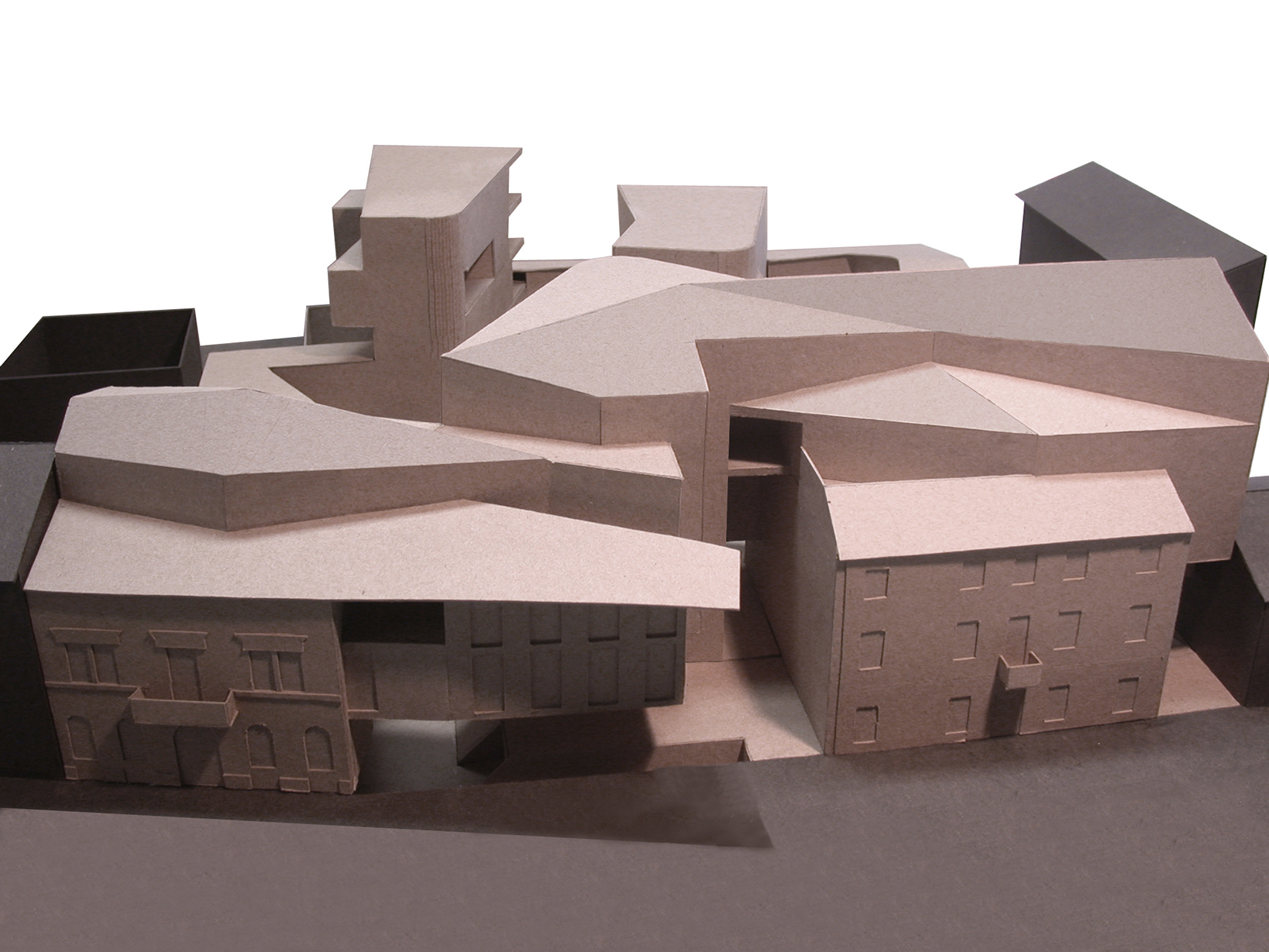
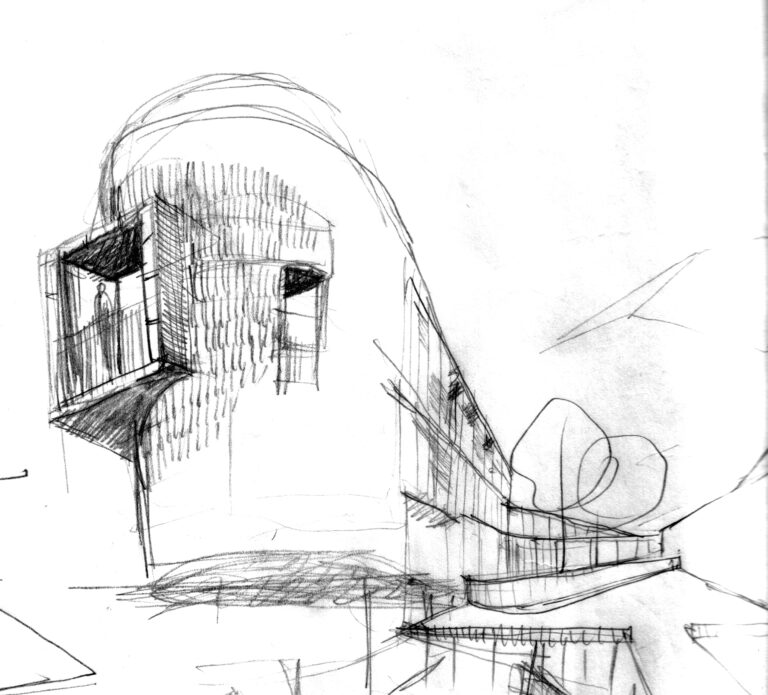
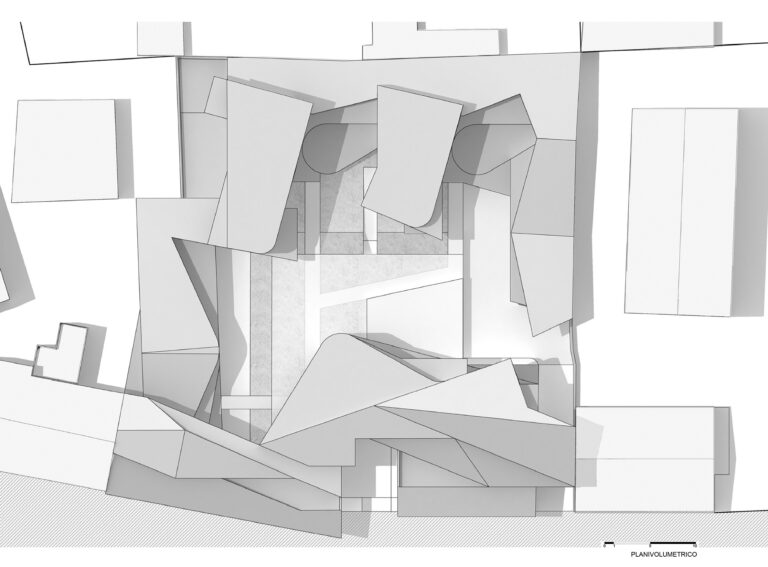
The project aims to exploit the consolidated urban fabric of the old town centre of Rovigo in order to form historic and contemporary architecture into a single whole. The new layout will be articulated and reorganised in such a way that it links up with the surrounding urban fabric. The line of buildings along the street is at present broken at the spot which is to be the focal area of the project. This makes it possible to establish a clear link with the existing urban fabric of this part of the city whilst maintaining the autonomous, contemporary character of the project.s of the courtyard which are in shadow.
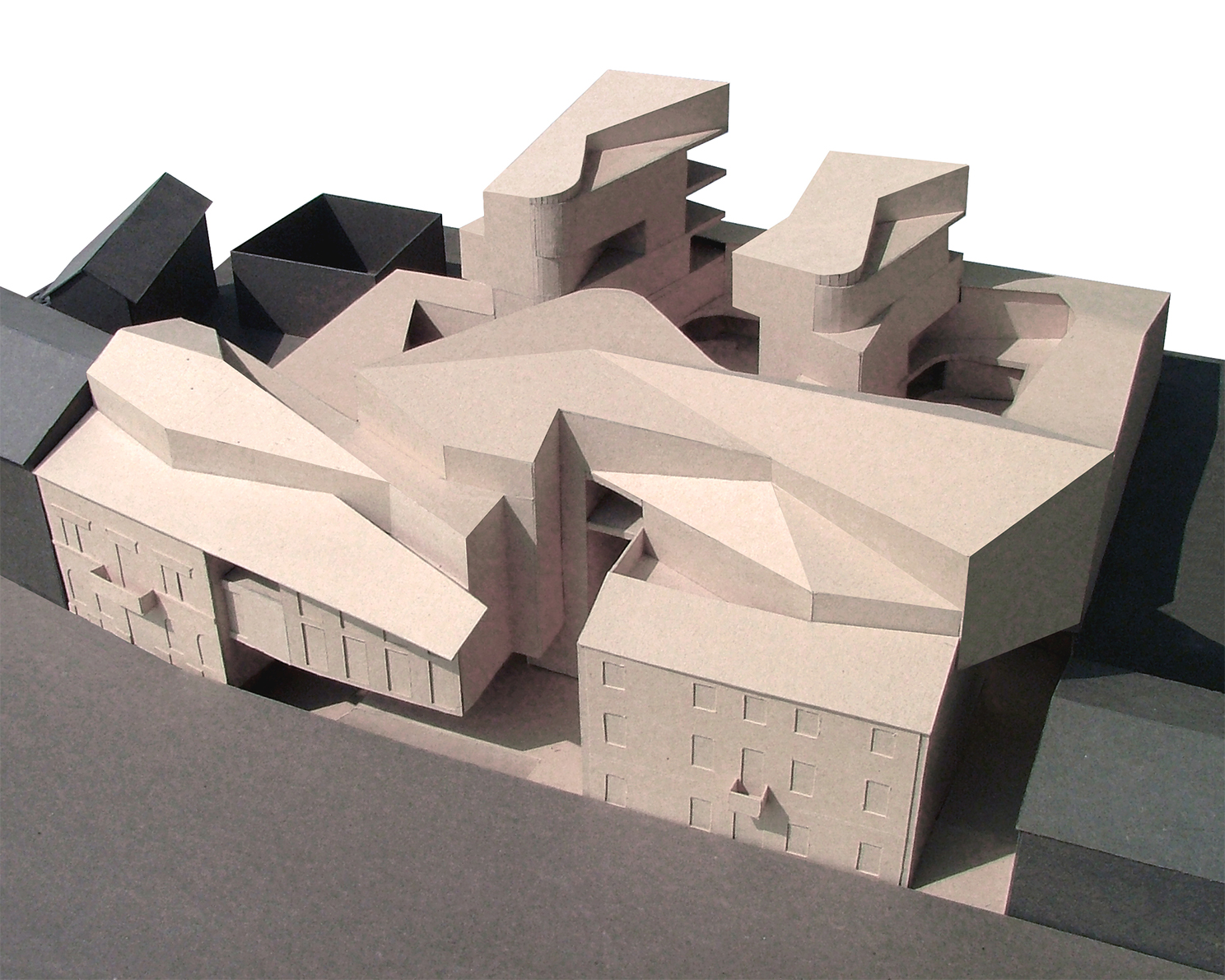
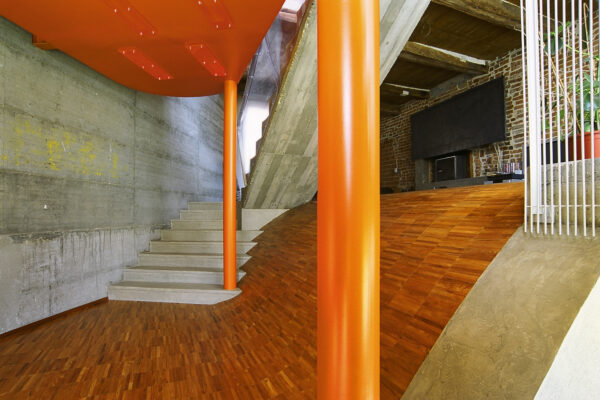
The scheme involves the preservation of two buildings from the 1960s; copies of the historic architecture of the Veneto…or perhaps Tuscany…or perhaps Latium…these have established their “historic credientials” so well that they are protected by the town’s regulatory plan. Their faҫades are integrated within the new structure, thus underlining both historic stratification and the “new life” being brought to the area. This combination is one further example of that process of gradual transformation which has made the historic city centres of Italy unique.
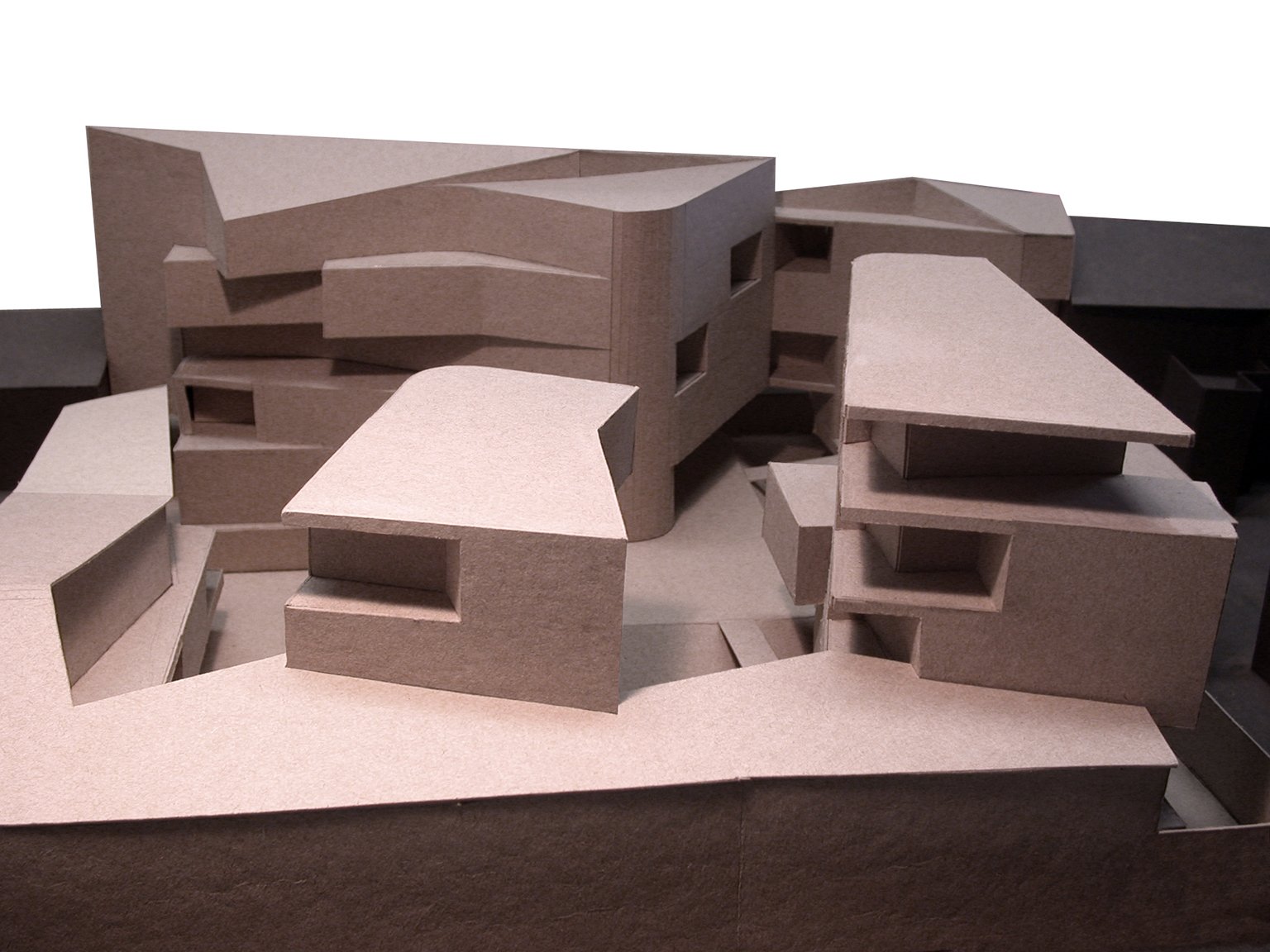
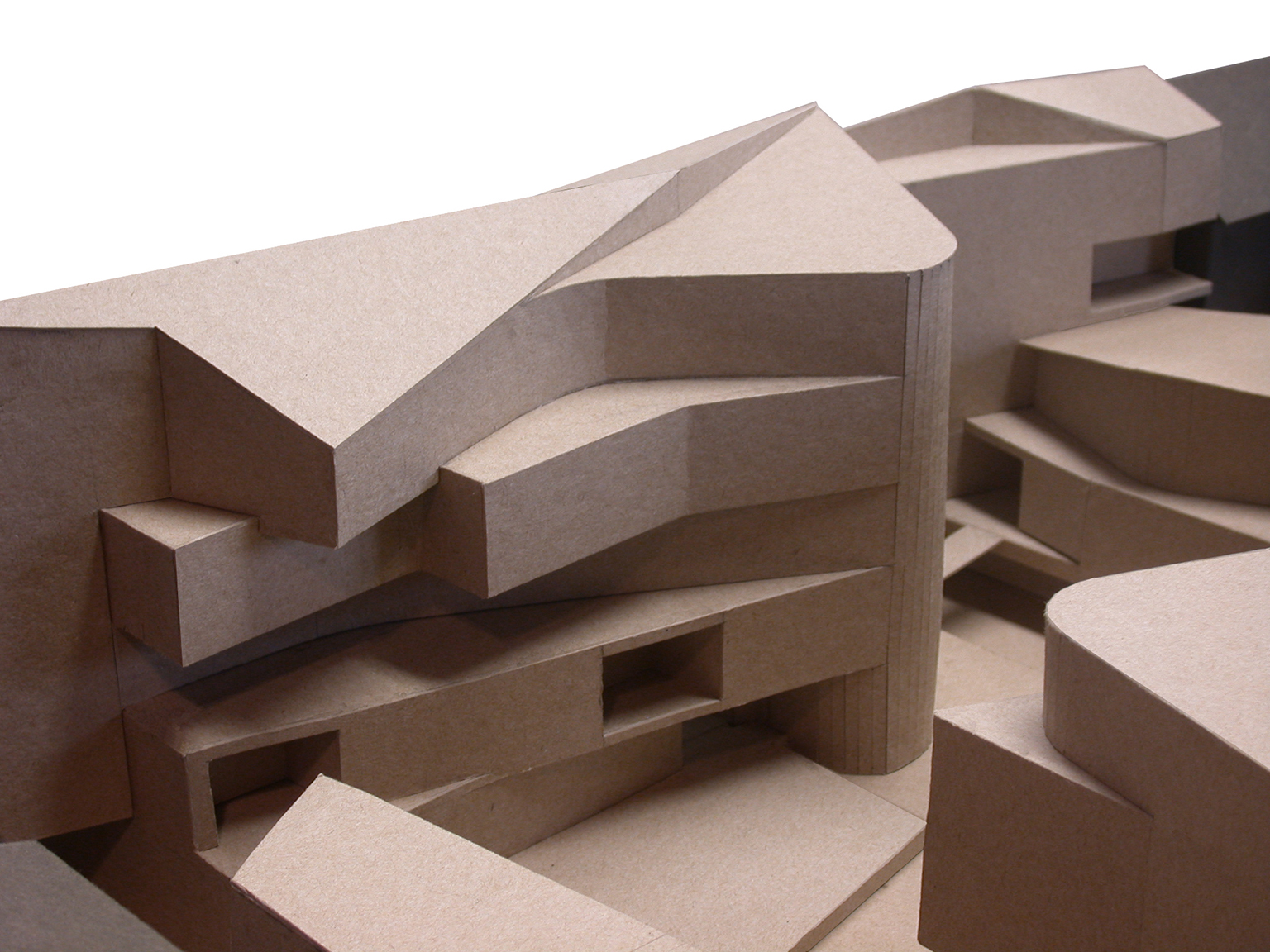
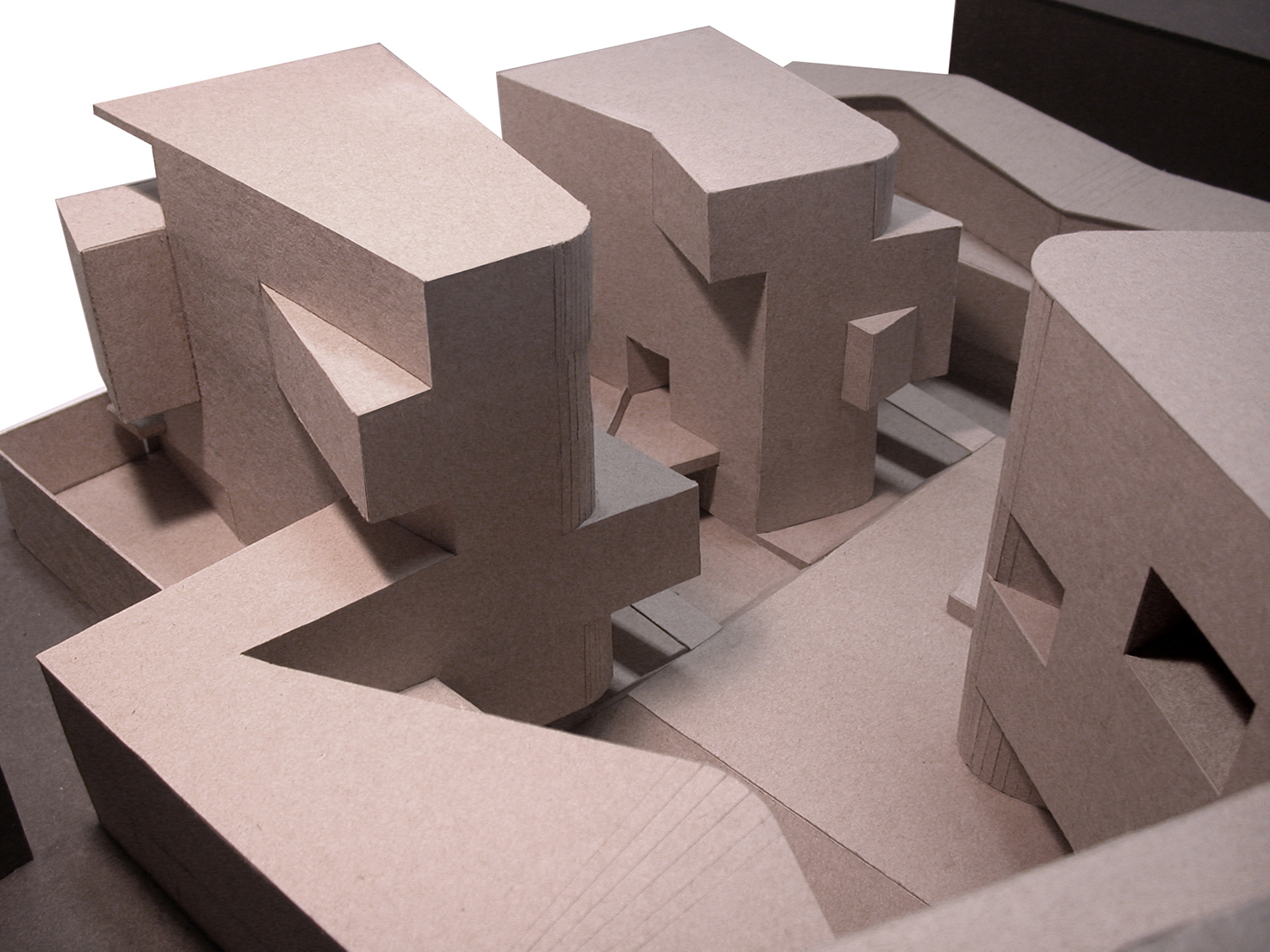
The project structure takes the form of a single architectural complex organised around an open courtyard- thus echoing a layout that is typical of the buildings that make up the unbroken street fronts of Rovigo. Though access to the internal space within the block is filtered via the portico, that enclosed area is also sufficiently open to the outside for it to be a real part of the urban fabric. The complex reflects the various types of residential accomodation available within the city centre. Low duplex blocks, with wide terraces and gardens, stand alongside taller blocks that contain apartments of various sizes and layout; these latter are linked with the outside either through windows or with terraces and loggias. The organisation of the volumes was carefully designed so that, wherever possible, one could avoid residences either overlooking each other or being restricted to the areas of the courtyard which are in shadow.